
Has Hair Loss Been Increasing in India Recently ? The Reason Behind
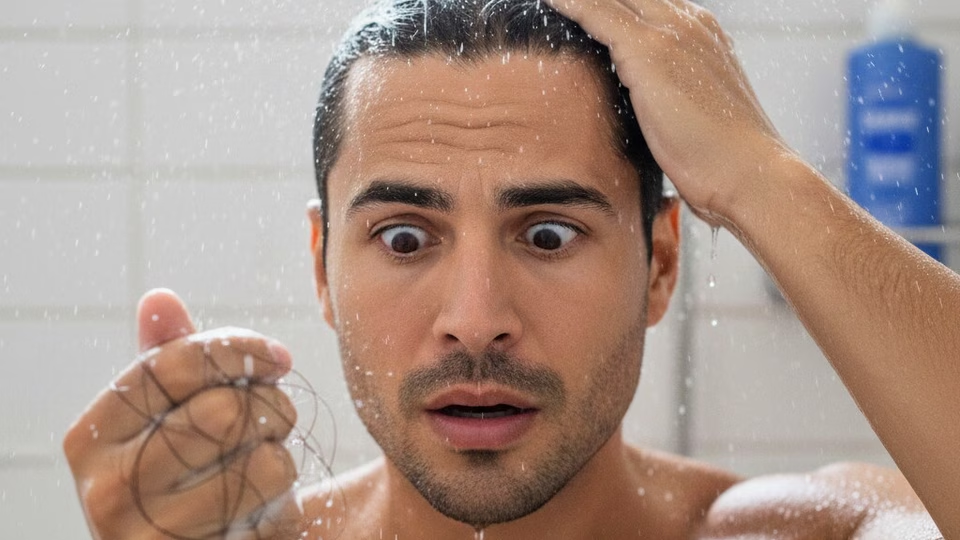
Anecdotally, it feels like everyone is talking about hair fall lately — and the data backs that impression up. One of India's largest hair-health surveys, covering over 400,000 individuals nationwide, found that poor sleep, unmanaged stress, gut health issues, and low energy levels are now among the leading reported triggers of hair fall across the country [1]. The same body of consumer data found that over 50% of Indian men reporting hair loss are under the age of 25 — a shift from hair loss being primarily an older-age concern [1]. Here's what's likely driving it.
1.
Post-COVID Telogen Effluvium
A
retrospective study across the Indian subcontinent found that 37.8% of COVID-19
patients experienced hair loss afterward, with higher stress levels and greater
disease severity significantly predicting who was affected [2] For a meaningful
share of people, this shedding surfaced months after infection and has
continued resurfacing as a lasting, population-level effect well after the
pandemic's peak [2].
2.
Urban Air Pollution
India's
cities rank among the world's most polluted, and this isn't just a lung-health
issue. Laboratory research found that fine particulate matter (PM10) penetrates
hair follicles and triggers apoptosis (cell death) in follicular keratinocytes
through increased oxidative stress and inflammatory signaling — a direct
biological pathway by which polluted air can impair hair growth [3].
3.
Chronic Stress and Poor Sleep
Modern
urban lifestyles — long commutes, high-pressure jobs, disrupted sleep — feed
directly into the same stress-driven shedding pathway (telogen effluvium) seen
after COVID, and India's largest hair-health dataset specifically flags
unmanaged stress and poor sleep as leading contributors nationally [1].
4.
Diet and Gut Health Shifts
Faster-paced
eating, more processed food, and skipped or rushed meals were also flagged as
significant contributors in the same national dataset [1] — consistent with
established research linking hair thinning to nutrient deficiencies in protein,
iron, and key vitamins.
5.
Greater Awareness and Reporting
Part
of the apparent "increase" is also a reporting effect: with more
dermatology access, more open conversation, and more product marketing around
hair fall than a decade ago, more people are noticing and seeking help for
shedding they may previously have ignored — a genuine factor worth
acknowledging alongside the biological ones.
Where
MENI Fits In
Since
pollution and stress both work through scalp inflammation and oxidative stress,
a routine addressing both the external scalp environment and internal nutrition
addresses multiple pathways at once — which is the logic behind MENI's shampoo
and daily capsules working together, rather than tackling just one side of a
multi-factor problem.
References
- BW
Healthcare World,
2025.
- Post-COVID
Hair Loss in the Indian Subcontinent: Clinical Patterns and Association
with Disease Severity. Dermatol Pract Concept. 2025. (Open Access)
— PMC: PMC12615081
- Particulate
Matters Induce Apoptosis in Human Hair Follicular Keratinocytes. PubMed: 33911773